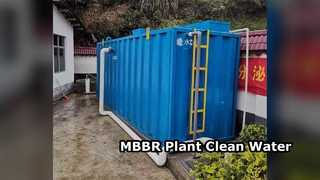
Brief: Take a focused look at the specifications and what they mean in practice. This video provides an in-depth explanation and demonstration of the Micro Drum Filter, showcasing its application in solid-liquid separation for industries like printing, textiles, and domestic sewage treatment. You'll see how this innovative device, developed from New Zealand technology, enables efficient water reuse and white water treatment.
Related Product Features:
Developed based on advanced New Zealand machine technology, adapted for local conditions.
Performs efficient solid-liquid separation for various industrial and municipal applications.
Ideal for filtering domestic sewage, paper mill, textile, and printing industry wastewater.
Effectively treats chemicals and slaughtering sewage for environmental compliance.
Specializes in white water treatment to facilitate water reuse and conservation.
A versatile micro filter device suitable for a wide range of filtration needs.
Designed to handle diverse wastewater streams with reliable performance.
Supports sustainable practices by enabling efficient water recycling processes.
FAQs:
What types of wastewater can the Micro Drum Filter handle?
The Micro Drum Filter is designed for solid-liquid separation in various applications, including domestic sewage, paper mill, textile, printing, chemicals, and slaughtering sewage, making it highly versatile for industrial and municipal use.
How does the Micro Drum Filter support water reuse?
It specializes in white water treatment, effectively filtering contaminants to allow treated water to be reused, promoting water conservation and sustainable practices in industrial processes.
What is the technological basis of this Micro Drum Filter?
This micro filter device was developed based on New Zealand machine technology, adapted to suit local conditions, ensuring high efficiency and reliability in filtration performance.
Why is the Micro Drum Filter suitable for the printing industry?
It effectively filters printing industry wastewater by removing solid particles and contaminants, ensuring cleaner water output and supporting compliance with environmental standards.